
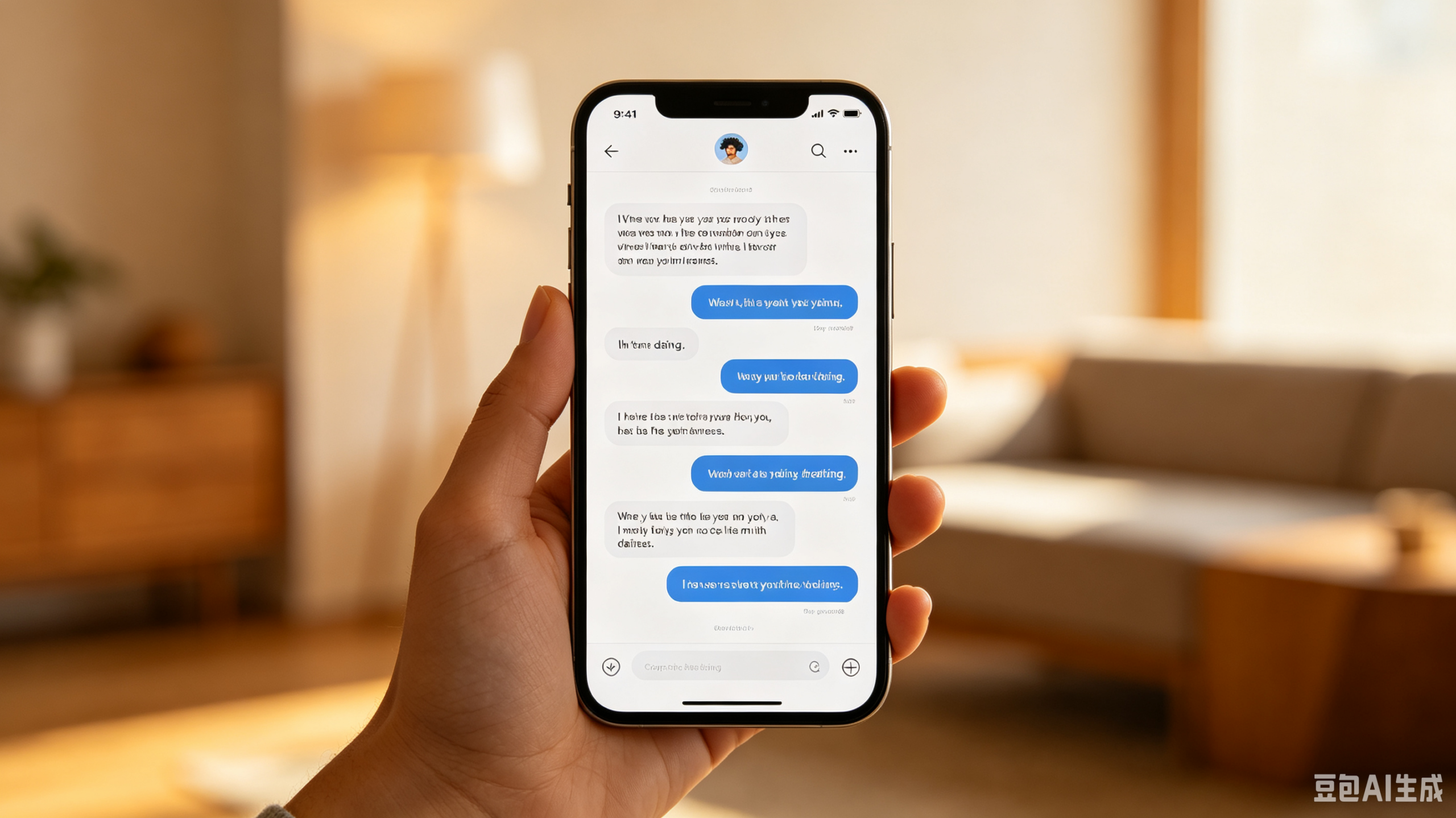
Remote dating opens opportunities to meet wonderful people you would never cross paths with locally. But dating across geographic distance also creates unique vulnerabilities. Because most interaction happens online over text and video, bad actors and emotionally unavailable people can hide behind screens far easier than in local dating. Many daters overlook obvious warning signs because strong early virtual chemistry clouds their judgment. Understanding remote‑dating‑specific red flags protects your emotions, your time and your safety. This article covers key warning signals to watch for when you date someone remotely.
Important context: one single odd behaviour is not always a deal‑breaker. Life stress, busy work schedules or personal anxiety can create one‑off awkward moments. Red flags become serious when you see repeated patterns of behaviour, not isolated incidents. Always weigh the whole picture of how they treat you over time, rather than judging based on one bad day.
Consistently Avoids Video Calls
This is one of the most classic remote dating red flags. If a person keeps making endless excuses to avoid video: bad camera, bad internet, too shy, always busy, month after month. They happily chat over text messages but refuse live face‑to‑face interaction. This is a major risk signal. People who are genuine about remote dating will want to see you live on camera. Shyness is understandable for the first one or two calls, but persistent total avoidance suggests they may be hiding something about their real identity, appearance or life circumstances.
Hot‑and‑Cold Inconsistent Communication
One week they message you every day, gush about connection, schedule regular video dates. The next week they vanish for days with zero warning or explanation. Then they reappear acting as if nothing happened. In remote dating, inconsistency creates huge emotional whiplash. Occasional busy periods are normal. But repeated cycles of intense attention followed by radio silence reveals emotional unavailability. Do not normalize being kept waiting for their sporadic bursts of interest.
Heavy Early Declarations Of Love And Soul‑mate Connection
Fast‑moving intense romantic statements very early in remote dating are a common manipulation pattern. After only a handful of calls, they tell you you are their soul‑mate, talk about future marriage, declare deep undying love. While real connection can grow fast, genuine romantic love takes time and shared lived experience. Over‑the‑top early affection is often used to sweep you off your guard, bypass critical thinking and build emotional attachment before you truly know each other. Slow down and treat rapid grand declarations with healthy scepticism.
Refuses To Discuss Real‑World Meeting Or Geography Plans
Remote dating is virtual by definition, but serious remote connections eventually talk about closing the distance. If you bring up meeting in‑person and they continuously dodge the subject, change the topic, make unrealistic far‑off excuses, or get defensive: pay attention. They may enjoy virtual companionship but have zero intention of ever meeting you face‑to‑face. There is nothing wrong with casual purely‑virtual connections, but you both need to be honest about that goal. If you want eventual real‑world contact and they avoid all conversation about it, your core goals are mismatched.
Pressures You For Money, Gifts Or Financial Favours
Classic romance‑scam red flag. Any request to send cash, gift cards, travel funds, crypto or expensive gifts is an immediate hard stop. Scammers build deep emotional bonds remotely specifically to ask for money later. Even sad‑sounding emergency stories are not a reason to send funds to someone you have never met in‑person. Genuine people pursuing remote dating will never ask you for financial support.
Over‑Reactive Jealousy And Controlling Behaviour
Even across miles, controlling patterns show up early. They get upset and accuse you when you spend time with friends offline. They demand constant updates of your whereabouts, grow angry if you do not reply instantly. They try to isolate you from your local social circle. This is not romantic devotion; it is emotional control. Distance amplifies this harm because you lack local support context to ground your perspective.
Gets Defensive Every Time You Voice Concerns Or Doubts
In healthy remote dating, you can gently raise worries or feelings of insecurity and have a constructive conversation. A red‑flag pattern: every time you bring up something that bothers you, they turn it around to blame you, call you too jealous, too sensitive, or over‑thinking, refuse to validate your feelings. You end up apologizing for having legitimate concerns. When you cannot safely voice worries virtually, conflict will become impossible if you ever meet in‑person.
Oversharing Trauma While Rushing Emotional Intimacy
Healthy vulnerability builds slowly. Some remote daters dump huge heavy life trauma on you within the first few conversations to create artificial emotional closeness quickly. This creates a false sense of deep bonding early on. While vulnerability is good, rapid heavy emotional dumping without gradual trust‑building is a warning sign for unhealthy attachment patterns.
Green Flags To Compare Against Red Flags
To keep perspective, know what healthy remote dating looks like: willing to do regular video calls; consistent communication with honest explanations for delays; comfortable talking about future in‑person meet‑up possibilities; listens when you share insecurities instead of attacking you; respects your personal boundaries; does not push for money or inappropriate virtual content before you are comfortable.
Final Thoughts
Remote dating gives wonderful opportunities to meet people outside your local area, but screens hide a great deal. Watch for repeated behavioural patterns more than beautiful words. If multiple red‑flag patterns appear, trust your intuition, even if you feel strong virtual chemistry. Protect your time, emotions and safety first when dating across distance.